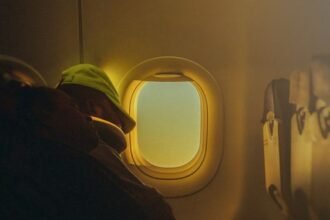
Preventing Headaches on Long Flights
Headaches on long flights are common, and usually come down to a predictable mix of dehydration, cabin pressure changes and disrupted sleep rather than anything more serious. A few preventative habits make a real difference.
Why Flying Can Trigger Headaches
Low cabin humidity leads to dehydration quickly, cabin pressure changes affect sinuses and inner ear pressure, and irregular sleep across time zones disrupts the normal patterns that usually keep tension headaches at bay. Combined, these factors make flights a common headache trigger even for people who rarely get them at home.
Prevention Strategies That Work
- Hydrate before and during the flight, since cabin air is far drier than normal room air and dehydration is one of the most common headache triggers
- Limit alcohol and caffeine, both of which contribute to dehydration and can disrupt the sleep needed to avoid a headache building up
- Use earplugs or noise-cancelling headphones to reduce the low engine hum that can build into tension over a long flight
- Chew gum or swallow during descent to help equalise ear pressure, which reduces sinus-related headache triggers on landing
What to Pack If You Are Prone to Flight Headaches
Travellers who regularly experience headaches when flying often find it useful to pack their usual over-the-counter pain relief, a reusable water bottle to refill after security, and an eye mask to support better in-flight rest.
Frequently Asked Questions
Why do I get headaches every time I fly?
Cabin pressure changes, low humidity and disrupted sleep are the most common causes, and travellers who are already prone to headaches or migraines often find flying a reliable trigger.
Does drinking water really help prevent flight headaches?
Yes, dehydration is one of the most common contributors to flight-related headaches, and consistent hydration before and during a flight meaningfully reduces the risk.
Cabin Pressure and Sinus Headaches
Aircraft cabins are pressurised to the equivalent of roughly 6,000 to 8,000 feet altitude, not sea level, and this pressure change can affect the sinuses in a similar way to a head cold, particularly during ascent and descent when the change happens fastest. Travellers who already have a cold, sinus infection or allergies often find flying temporarily worsens sinus pressure, which is why some choose to take a decongestant before a flight if they are already feeling congested.
When to See a Doctor About Flight Headaches
Occasional mild headaches after flying are common and rarely a concern, but headaches that are unusually severe, accompanied by vision changes, or that persist well beyond landing are worth mentioning to a doctor, particularly if you have a history of migraines that seem to be triggered or worsened specifically by flying. A doctor can also advise on whether preventative migraine medication timed around a flight is appropriate for frequent flyers who are regularly affected.
Related Reading
About the author: The Stony Port editorial team researches travel tips to help UK travellers plan with confidence. This article is general information and not medical advice.