Somerset Food Trail: Cider, Cheese and Farm Shops
A Somerset food trail is built around two things the county does better than almost anywhere else in England: cider and cheese. Beyond the annual Somerset Food Trail Festival, held each July, the county’s cider farms and farm shops are open year-round, making it easy to build your own self-guided route at any time of year. This guide covers the best stops and how to plan a realistic day or weekend around them.
Somerset Food Trail at a Glance
| Stop | What to Try |
|---|---|
| Sheppy’s, near Taunton | 90-acre cider farm, cheese and cider tasting tour, rural life museum |
| Thatchers, Myrtle Farm, Sandford | 458-variety collection orchard, guided tour, farm shop |
| Somerset Cider Brandy Company, Martock | The UK’s first licensed cider brandy distillery, since 1989 |
| Wilkins Cider Farm, Mudgley | Traditional barrel-fermented cider, no-frills farm visit |
| Perry’s Cider Mills, Dowlish Wake | Farm shop, cider bar, self-guided audio tours |
Cider Farms Worth Building a Route Around
Sheppy’s, a 90-acre cider farm near Taunton, is a good starting point, since its former apple pressing rooms now house an award-winning farm shop, deli and butchery, alongside a rural life museum covering 200 years of cider-making history. A guided Cheese and Cider Tour finishes with a tutored tasting pairing Sheppy’s ciders with cheeses from its own cheesemonger, a useful introduction if you are new to cider tasting.
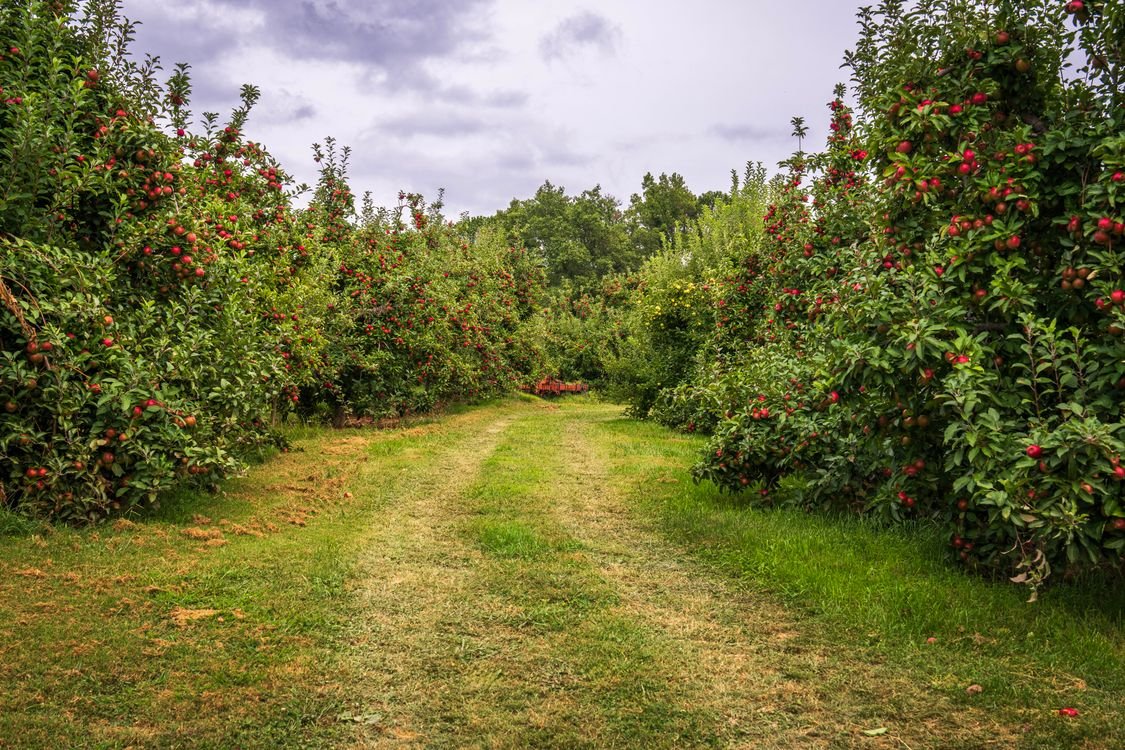
Thatchers, based at Myrtle Farm in Sandford for over a century, offers one of the most memorable tours in the county, beginning in a collection orchard growing 458 different apple varieties for experimental blending. The tour moves through the fermentation barns before finishing with tastings at the on-site Railway Inn.
For something more traditional, Wilkins Cider Farm in Mudgley offers a genuinely rustic experience, with cider fermented in large barrels the old-fashioned way and no set opening hours beyond a phone call to arrange a visit. It is a useful contrast to the more polished visitor experiences at Sheppy’s and Thatchers.
Cheese Stops Along the Way
Somerset’s cheese heritage runs alongside its cider, with Cheddar Gorge giving its name to the county’s most famous export. Bath Soft Cheese and Godminster’s organic vintage cheddar are regularly found at farmers’ markets and farm shops across the county, and several cider farms, including Sheppy’s, pair their own cheese counters directly with cider tastings, making it easy to sample both without a separate stop.
The Somerset Food Trail Festival
Each July, the Somerset Food Trail Festival opens around 150 farms, food businesses and producers to the public over a series of weekends, based loosely on the “open studios” model used by regional arts trails. Unlike a fixed route, the festival works on an interactive map, letting visitors build their own trail based on what is nearby or appealing, from cheese tastings and vineyard tours to guided cycle safaris around local dairies and cider farms. Outside festival dates, most of the farms and shops featured remain open to visitors year-round, just without the special events and tastings laid on specifically for the festival.
Planning a Self-Guided Somerset Food Trail
- Base yourself centrally, Taunton or Wells make good hubs, since most cider farms and farm shops sit within a 30-minute drive
- Book tours in advance where offered, particularly Thatchers and Sheppy’s, since guided tours run on set days rather than continuously
- Arrange a designated driver, given the number of tastings involved across multiple stops
- Check festival dates if visiting in July, since the Somerset Food Trail Festival adds special events, though the core farm shops remain open year-round regardless
Frequently Asked Questions
Is the Somerset Food Trail Festival the only time to visit these farms?
No, most of the cider farms and farm shops featured during the July festival are open to visitors year-round. The festival simply adds special tastings, tours and events on top of normal opening hours.
Do I need to book cider farm tours in advance?
For structured tours, such as those at Thatchers and Sheppy’s, yes, since these run on set days and can have limited spaces, while many farm shops themselves welcome walk-in visitors during normal hours.
What is Somerset most famous for in terms of food and drink?
Cider and cheese, particularly Cheddar cheese, which takes its name from the county’s Cheddar Gorge, alongside a strong tradition of farmhouse and artisan cider production dating back centuries.
Related Reading
- Highland Food and Drink Trail: A Complete Route Guide
- Outer Hebrides Food Trail: Black Pudding, Seafood and Island Gin
- Mull and Iona Food Trail: Seafood, Cheese and Crofting
About the author: The Stony Port editorial team researches UK destination and food travel guides to help travellers plan with confidence.
A One-Day Somerset Food Trail Route
If you only have a day, do not try to cover the whole county — Somerset is bigger than it looks on a map, and its lanes are slow by design. This loop keeps driving short and eating central:
- Morning — Cheddar: start where the cheese is named for. Visit a traditional Cheddar maker, watch the process if tours are running, and buy a cloth-bound wedge for later. The Gorge makes a dramatic backdrop even if you only stop for coffee.
- Midday — Wells: England’s smallest city has a market on Wednesdays and Saturdays that is worth planning around — local cheese, cider, baked goods and meat, all in the shadow of the cathedral. Lunch in a pub on or near the square.
- Afternoon — cider country: head south-west toward the traditional cider farms around Burrow Hill and Kingsbury Episcopi country. This is farmhouse cider territory — dry, still, and sold from the farm gate. Drivers: most farms sell bottles to take away, so the tasting route works for everyone.
- Late afternoon — a farm shop finish: end at one of the larger farm shops on your route home for the things that travel well — cheese, chutneys, apple juice, and a lardy cake if you spot one.
Prefer islands and seafood to orchards? The Mull and Iona Food Trail in Scotland runs on the same farm-gate logic, with seafood where Somerset has cider.
Where to Base Yourself for a Food-Focused Weekend
- Wells — the sensible hub: market, cathedral, pubs and places to stay in walking distance of each other, and cider country within a short drive.
- Bruton — the foodie favourite: a small town with an outsized restaurant reputation and farm shops nearby; book dinner well ahead.
- Frome — best for markets and independent shops; its monthly artisan market is one of the county’s big food days out.
- A working farm stay — several Somerset farms offer rooms or cottages where breakfast comes from the land around you. If that style of stay appeals, our Highland food and drink trail guide covers the Scottish version of the same idea.
Somerset Food to Take Home (and How to Carry It)
- Cloth-bound Cheddar: keeps for days unrefrigerated while travelling; ask the maker for the piece that suits your timing — younger for this week, mature for keeping.
- Farmhouse cider and apple juice: bottles travel fine in a car boot with padding between them; small producers often sell mixed cases that never reach supermarkets.
- Lardy cake, Bath buns and local biscuits: the bakery run — buy on your last morning, not your first.
- Chutneys, honey and preserves: the farm shop staples that survive any journey and make you look very thoughtful when you get home.
More Frequently Asked Questions
What is the best time of year for the Somerset Food Trail?
Late spring to early autumn gives you the full picture: markets at their biggest, cider farms open longest, and orchards in leaf or fruit. Apple harvest and cider-making season in autumn is the enthusiast’s pick. Many small producers reduce hours in winter — always check before a January visit.
Can I do the Somerset Food Trail without a car?
Partially. Wells, Frome and Bruton are reachable by train and bus, and you can eat extremely well in each. But the cider farms and farm shops are rural by nature — for the full trail, a car (or a booked local driver) turns a good day into the real thing.
Are the farms and farm shops accessible?
It varies — farmyards can mean gravel, slopes and old buildings. Larger farm shops are usually step-free with accessible parking, while working cider farms are less predictable. A two-minute phone call before you set off will tell you more than any listing: producers are used to the question and answer it honestly.