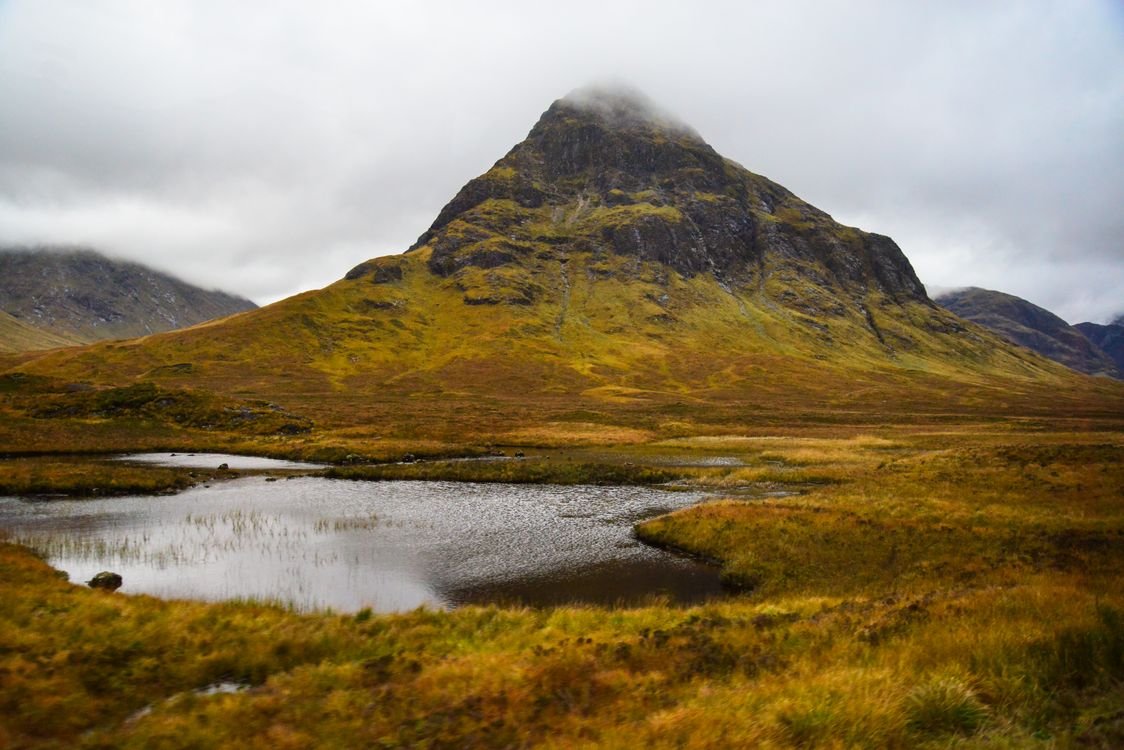
Highland Food and Drink Trail: A Complete Route Guide
A Highland food and drink trail brings together Scotland’s most famous export, whisky, with fresh seafood, game and artisan produce, set against some of the country’s most dramatic scenery. Unlike Speyside’s tightly clustered Malt Whisky Trail, the Highlands cover a much larger area, so this route focuses on a realistic, well-paced journey rather than trying to see everything in one trip.
Highland Food and Drink Trail at a Glance
| Stop | Highlight |
|---|---|
| Pitlochry | Blair Athol and Edradour distilleries, one of Scotland’s smallest |
| Aberfeldy | Dewar’s Aberfeldy Distillery and whisky and chocolate tasting |
| Inverness | Glen Ord Distillery and the region’s culinary hub |
| Dornoch and the Dornoch Firth | Glenmorangie and Balblair distilleries |
| Thurso and Caithness | Wolfburn, mainland Scotland’s most northerly distillery |
Starting in Pitlochry
Pitlochry makes a natural starting point for a Highland trail, combining two contrasting distilleries within walking distance of the town centre. Blair Athol, wrapped in climbing plants at its entrance, produces whisky mainly used in blends, while nearby Edradour has long been known as one of Scotland’s smallest distilleries, offering a far more intimate tour than the larger Speyside operations. Beyond whisky, Pitlochry’s cafes and small shops are a good stop for local baking and a break before continuing north.
Aberfeldy: Whisky and Chocolate
A short distance from Pitlochry, Aberfeldy is home to Dewar’s Aberfeldy Distillery, sitting on the banks of the Pitilie Burn, the same watercourse once known for alluvial gold. The distillery’s whisky and chocolate tasting tour pairs its mellow, honeyed single malt with locally made chocolate, a popular addition for visitors who want something beyond a standard tasting.
Inverness: The Highland Capital
Inverness serves as the practical hub of any Highland food and drink trail, with a wider range of restaurants and producers than the smaller towns along the route. Just outside the city, Glen Ord Distillery, home to The Singleton brand, offers a modern visitor centre alongside its tours, along with a bar and deli serving local Scottish produce. Inverness is also a sensible overnight base before continuing north toward the coast.
Dornoch and the Dornoch Firth
North of Inverness, the Dornoch Firth is home to two contrasting distilleries. Glenmorangie, one of Scotland’s most recognised single malts, uses the tallest stills in the country to produce its distinctively delicate flavour. A short drive along the south shore, Balblair matures its whisky in traditional dunnage warehouses with earthen floors, offering a more rustic contrast to Glenmorangie’s polished visitor experience. The town of Dornoch itself has a strong selection of pubs and hotel bars stocking an impressive range of malts, alongside the Carnegie Whisky Cellars for those wanting to buy a bottle to take home.
Thurso and Caithness: The Northern Edge
The trail’s final stretch reaches Caithness, Scotland’s most northerly whisky county. Wolfburn, near Thurso, is mainland Scotland’s most northerly distillery, a modern reincarnation of an older site using the same water source, and already an award winner despite its relatively recent revival. Nearby, Dunnet Bay Distillers produces Rock Rose Gin and Holy Grass Vodka from local botanicals, a good stop for visitors who want variety beyond whisky. From here, the drive continues to Dunnet Head, the most northerly point on the British mainland, with views across to Orkney on a clear day.
Planning Your Trip
Allow at least five to seven days to cover this route without rushing, since driving distances between stops in the Highlands are considerably longer than the tightly clustered Speyside trail. Most distilleries require booking tastings in advance, particularly in peak summer months, and a designated driver is essential given the number of stops involved. Several specialist companies also run guided multi-day whisky tours covering some or all of this route, which removes the need to arrange your own transport between distilleries.
Frequently Asked Questions
How long does a Highland whisky and food trail take?
A realistic pace covering Pitlochry through to Caithness takes five to seven days, allowing time to properly enjoy each distillery rather than rushing between stops.
Do I need to book distillery tours in advance?
Yes, particularly during peak summer months, since popular distilleries can sell out tasting slots ahead of time, especially for smaller or more specialised tours.
Is the Highland trail the same as the Speyside Malt Whisky Trail?
No, they are different routes. The Malt Whisky Trail is a compact, well-signposted route through Speyside, while the wider Highland trail spans a much larger area and requires more driving between stops.
Related Reading
- Somerset Food Trail: Cider, Cheese and Farm Shops
- Outer Hebrides Food Trail: Black Pudding, Seafood and Island Gin
- Mull and Iona Food Trail: Seafood, Cheese and Crofting
About the author: The Stony Port editorial team researches UK destination and food travel guides to help travellers plan with confidence.