Navigating Big Airports Efficiently: A Traveller’s Guide
Navigating big airports efficiently is a skill that saves real time, particularly at sprawling international hubs where a wrong turn can mean a lengthy walk back or a missed connection. A few habits make the difference between a relaxed transit and a stressful sprint to the gate.
Before You Arrive: Know the Layout
Most major airports publish interactive terminal maps online, and checking your specific terminal, gate area and any transfer requirements before you travel removes guesswork on the day, particularly at multi-terminal hubs where the wrong terminal can mean a long shuttle ride.
Making Connections Work
- Check your connection time against the airport’s minimum, since some hubs require considerably longer than the standard 45 to 60 minutes, especially with a terminal change
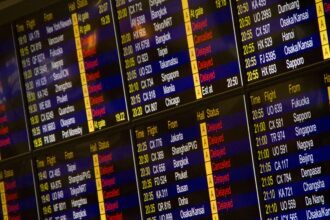
- Follow the electronic gate boards rather than relying on your original boarding pass, since gates change frequently at busy hubs
- Use airport transit systems, trains or shuttles between terminals, rather than walking distances that can exceed a mile at the largest airports
Managing Security and Immigration Queues
Arriving with documents already out and ready, and using automated e-gates where eligible, significantly reduces time spent in queues at busy international airports. Priority security lanes, often included with premium cabin tickets or airport lounge access, are worth checking even on a budget booking if your fare includes them.
Frequently Asked Questions
How much time should I allow for a connecting flight?
A minimum of 60 to 90 minutes for international connections is generally recommended, though this should be extended for large hub airports or if you need to change terminals.
What is the fastest way to get through a big airport?
Checking your terminal and gate in advance, using the airport’s internal transit system rather than walking, and having documents ready at security are the most effective ways to move through a large airport quickly.
Using Airport Apps for Real-Time Navigation
Many major airports now publish their own apps with live gate information, indoor wayfinding and real-time security queue estimates, which are typically more accurate than the generic terminal maps found online. Downloading your specific airport’s app before travel, where one exists, gives access to live updates that a static printed map cannot provide, particularly useful when a gate changes shortly before boarding.
Managing Large Groups Through Big Airports
Families and larger groups move more slowly through big airports than solo travellers, so building in extra buffer time and agreeing a clear meeting point in advance, in case the group gets separated at security or a busy concourse, avoids unnecessary stress. Assigning one person to keep all boarding passes and documents easily accessible also speeds up group security and gate checks considerably compared with each person searching their own bag individually.
Related Reading
About the author: The Stony Port editorial team researches travel tips to help UK travellers plan with confidence.
Minimum Connection Times, Explained Simply
Every connection sold on a single ticket is built around a figure called the minimum connection time: the shortest gap the airline and airport have agreed is enough for passengers and their checked bags to transfer between flights. Booking systems will not sell a single ticket with a shorter gap, so if the itinerary exists, it meets the minimum.
The catch is that the minimum is a floor, not a comfort zone. It assumes an on-time arrival, nearby gates and short queues. The figure varies by airport, and even within one airport by terminal and transfer type. Heathrow makes the point on its connecting flights page: the time you need depends on your route, airline and whether you are changing terminals or collecting baggage, and the airline quotes the minimum for your booking.
Treat the minimum as a floor, and add your own buffer on top, more if you are changing terminals or travelling with children. If you need help getting around, our UK airport assistance guide explains how special assistance works and why it must be booked ahead.
Separate Tickets: The Risk Most Travellers Miss
Two bargain fares booked separately may look like one journey, but to the airlines they are two unrelated contracts, with no protected connection between them. If the first flight arrives late and the second leaves without you, the second airline can treat you as a no-show, and the usual fix is a new ticket at the price on the day.
The UK Civil Aviation Authority sets out the legal position on its delays page: on a self-transfer journey you have no statutory right to care, compensation or transport to your final destination if a delay makes you miss a later flight. The rights attached to each individual flight still apply, but the gap between them is your own problem.
You also face the full arrivals routine in between: passport control, collect your bags, check in again and clear security, as if starting a new trip. Plan the gap for a delayed arrival, not an on-time one. Think in hours, not minutes, travel with hand luggage only if you can, and know the second airline’s check in and bag drop deadlines, which close long before departure.
When a Delay Eats Your Connection: What To Do First
Start before you land. The moment a delay is announced, open the airline’s app. On a single ticket, airlines often spot a failing connection first and rebook passengers automatically, so your new flight may already be waiting there. Tell the cabin crew about your onward flight too: they may let tight connection passengers off first, or pass a message to the gate.
On landing, go straight to your new gate or the airline’s transfer desk, following the flight connections signs, not the arrivals route. Keep your phone connected and charged so gate changes reach you: our guide to airport WiFi and staying connected abroad explains how to get online in the terminal cheaply.
Know the backstop too. On a single booking the airline must look after you while you wait, with food, drink and a hotel if the next flight is the following day. If the disruption was the airline’s fault, compensation is judged on how late you reach your final destination, and more than three hours late is the threshold that matters. Keep receipts for anything you buy, as reasonable costs can be claimed back.
Quiet Corners, Water and Rest Zones in Big Terminals
On a longer layover, where you wait changes how the layover feels. The seating in the middle of the terminal, under the departure screens, is the busiest, noisiest part of the building. Walk to the far ends of a pier, seating near unused gates, or upper level seating, and you will usually find space. Many large airports signpost quiet zones, rest areas and family rooms that stay calm at peak times, findable on the terminal map in the airport’s app. Most big airports also have free drinking water refill points after security, often near the toilets, so carry an empty bottle in your hand luggage. Keep an eye on the screens as you relax: gates can be a long walk away.
More Frequently Asked Questions
How do I find the minimum connection time for my own flight?
There is no single public table, because the figure is set for your airport, terminals and type of transfer. If both flights are on one ticket, the connection you were sold already meets the minimum. For detail, check your airline’s website or the airport’s connecting flights pages, which explain your route.
Will my bags be transferred to my connecting flight automatically?
On a single ticket, usually yes: your bags are checked through to your final destination and the airline moves them between aircraft. On separate tickets, no: you collect them at baggage reclaim and check them in again, one of the main reasons self-connections need so much more time.
My connection is less than an hour. Should I be worried?
On one ticket, within the same terminal, it is tight but doable if your first flight lands on time. Sit near the front, keep what you need in your hand luggage, check your onward gate before landing and walk straight to it. On separate tickets it is not realistic at all, with arrivals, baggage and check in still to complete.