Navigating Big Airports Efficiently: A Traveller’s Guide
Navigating big airports efficiently is a skill that saves real time, particularly at sprawling international hubs where a wrong turn can mean a lengthy walk back or a missed connection. A few habits make the difference between a relaxed transit and a stressful sprint to the gate.
Before You Arrive: Know the Layout
Most major airports publish interactive terminal maps online, and checking your specific terminal, gate area and any transfer requirements before you travel removes guesswork on the day, particularly at multi-terminal hubs where the wrong terminal can mean a long shuttle ride.
Making Connections Work
- Check your connection time against the airport’s minimum, since some hubs require considerably longer than the standard 45 to 60 minutes, especially with a terminal change
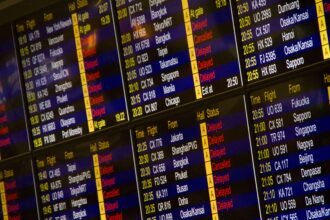
- Follow the electronic gate boards rather than relying on your original boarding pass, since gates change frequently at busy hubs
- Use airport transit systems, trains or shuttles between terminals, rather than walking distances that can exceed a mile at the largest airports
Managing Security and Immigration Queues
Arriving with documents already out and ready, and using automated e-gates where eligible, significantly reduces time spent in queues at busy international airports. Priority security lanes, often included with premium cabin tickets or airport lounge access, are worth checking even on a budget booking if your fare includes them.
Frequently Asked Questions
How much time should I allow for a connecting flight?
A minimum of 60 to 90 minutes for international connections is generally recommended, though this should be extended for large hub airports or if you need to change terminals.
What is the fastest way to get through a big airport?
Checking your terminal and gate in advance, using the airport’s internal transit system rather than walking, and having documents ready at security are the most effective ways to move through a large airport quickly.
Using Airport Apps for Real-Time Navigation
Many major airports now publish their own apps with live gate information, indoor wayfinding and real-time security queue estimates, which are typically more accurate than the generic terminal maps found online. Downloading your specific airport’s app before travel, where one exists, gives access to live updates that a static printed map cannot provide, particularly useful when a gate changes shortly before boarding.
Managing Large Groups Through Big Airports
Families and larger groups move more slowly through big airports than solo travellers, so building in extra buffer time and agreeing a clear meeting point in advance, in case the group gets separated at security or a busy concourse, avoids unnecessary stress. Assigning one person to keep all boarding passes and documents easily accessible also speeds up group security and gate checks considerably compared with each person searching their own bag individually.
Related Reading
About the author: The Stony Port editorial team researches travel tips to help UK travellers plan with confidence.