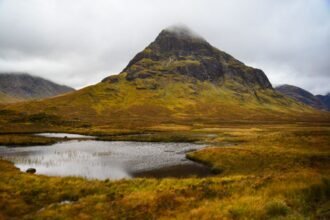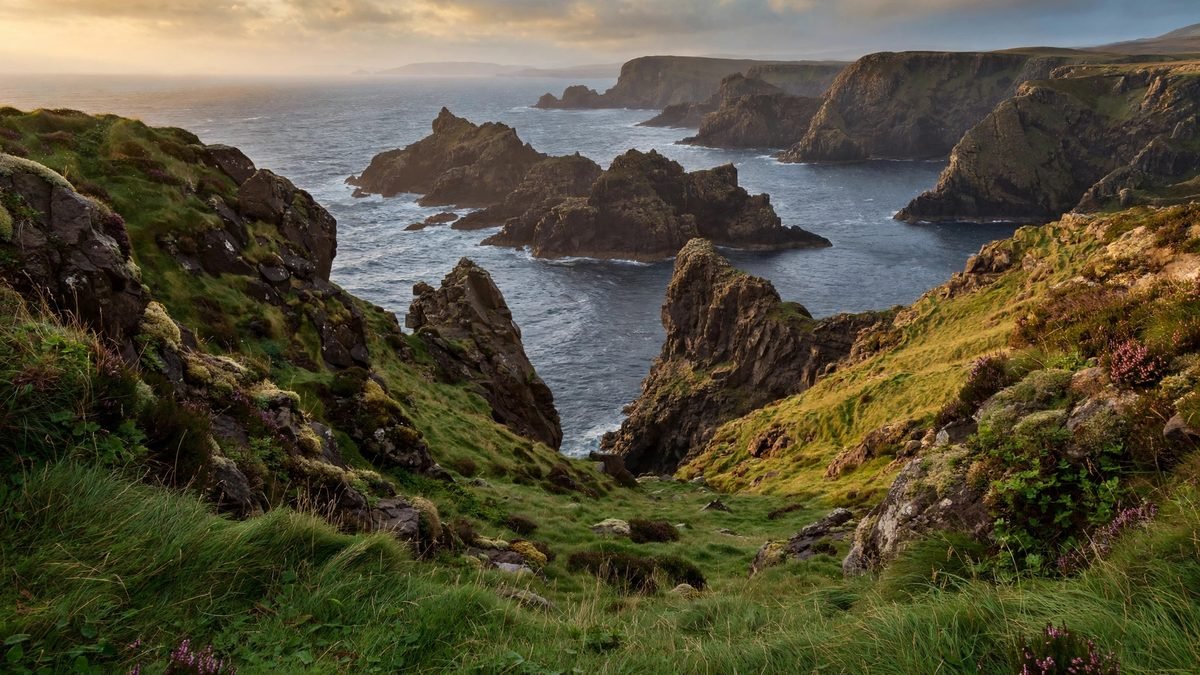
The Isle of Skye is famous for its jagged mountains and sea cliffs, but the island quietly runs one of the best food and drink scenes in Scotland. Fresh langoustines land at Carbost harbour in the morning and appear on menus by lunchtime. A working distillery pours peppery single malt on the shore of Loch Harport. Small farm shops sell smoked salmon, island cheese and gin made a few miles away. This guide turns all of that into a proper Isle of Skye food and drink trail: what to eat and drink, where to find it, and how to link the island’s food stops into a route that actually works on Skye’s single-track roads. If you are building a wider Scottish trip, our Highland Food and Drink Trail guide pairs well with this one for the mainland leg of the journey.
What an Isle of Skye Food and Drink Trail Actually Involves
A food and drink trail on Skye is not a signposted route with arrows to follow. It is a self-drive tasting loop that links the island’s best producers, distilleries, farm shops and seafood stops into a sensible driving order. Skye is about 50 miles long from north to south, and driving between stops can take far longer than the map suggests, so the trail works best when you group food stops by peninsula rather than zigzagging across the island.
Most visitors base themselves in or near Portree and do the trail as a series of half-day loops: one day for the north west (Dunvegan and Carbost), one for the south (Broadford, Sleat and the distilleries), and time in Portree itself for restaurants and the harbour. Three days is the sweet spot. Two days is possible if you keep the driving tight and book your tables and tours in advance.
One honest caveat before you plan anything: Skye’s food scene is seasonal. Many cafes, farm shops and smaller restaurants close or cut their hours between roughly November and March. If you are visiting in winter, check opening times directly with each stop before you drive there.
Why Skye’s Food Tastes Different From the Mainland
Skye sits surrounded by cold, clean Atlantic water, and that geography shapes everything on the plate. The island’s shellfish fisheries produce langoustines, oysters, mussels and crab that travel very short distances from boat to kitchen. Crofting, the small-scale farming tradition of the Highlands and Islands, means much of the island’s lamb and beef is reared slowly on rough grazing, which gives the meat a deeper flavour than intensively farmed stock.
The climate plays a role too. Skye’s peat bogs and sea-sprayed air are not just scenery; they are the reason the island’s whisky tastes the way it does. Peat smoke from local bogs flavours the barley during malting, and the sea air works its way into maturing casks in warehouses near the shore. When you taste Skye whisky next to a mainland malt, the difference is the island itself.
The producer base is small and independent. You will not find big-brand food halls on Skye. Instead there is a network of smokeries, farm shops, small bakeries and independent distillers, many of them family-run. Buying from them directly is part of the trail experience, and it is also what keeps the money on the island.
Skye Whisky: Talisker Distillery and the Island’s Dram Culture
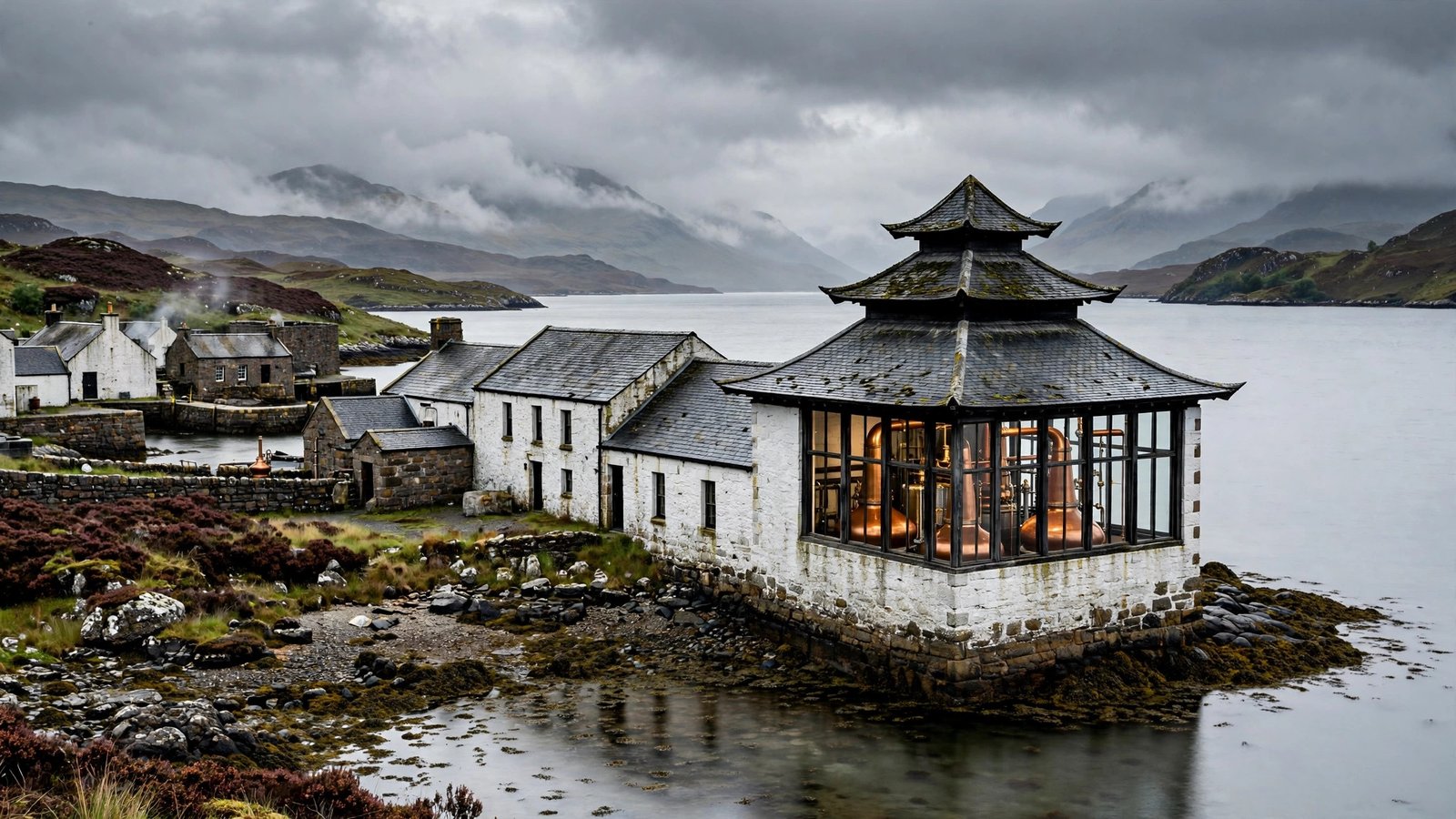
No Skye food and drink trail is complete without whisky, and on Skye that means Talisker. Founded in 1830, Talisker is the island’s oldest working distillery, set on the shore of Loch Harport at Carbost. Its single malt is known for a peppery, maritime character, often described as smoky with a sea-salt edge, which comes from the peat-fired kilns and the coastal warehouses where the casks mature.
The distillery runs guided tours and tastings for visitors. Tours take you through the production areas, including the traditional worm tubs used in distillation, and finish with drams of the island malt. Booking ahead is strongly recommended in the busy season, as tour groups are small and places fill up. For current tour times and ticket prices, check the distillery’s official Talisker visitor page before you travel; a useful independent listing with recent pricing notes is kept at Hidden Scotland’s Talisker Distillery page.
Right next to the distillery, the village of Carbost has grown into a small food hub of its own. The Oyster Shed, a seafood takeaway a short walk from Talisker, serves Skye seafood simply and well, and it is the classic stop after a distillery tour. The Three Chimneys at Talisker, a restaurant on the waterfront in front of the distillery, pairs local Skye ingredients with the island’s whisky in a more formal setting; booking well ahead is essential in summer.
Skye now has a second distillery as well. Torabhaig, on the Sleat peninsula in the south, opened in 2017 and offers tours and tastings of its own island single malt. If whisky is a main reason for your visit, pairing Talisker in the west with Torabhaig in the south makes a satisfying full-day whisky loop, which we detail in the itinerary below.
Skye Seafood: Langoustines, Oysters and What to Order Where
Seafood is the backbone of the Skye trail. The waters around the island produce some of the finest shellfish in the UK, and on Skye it is served with minimal fuss, which is exactly how it should be.
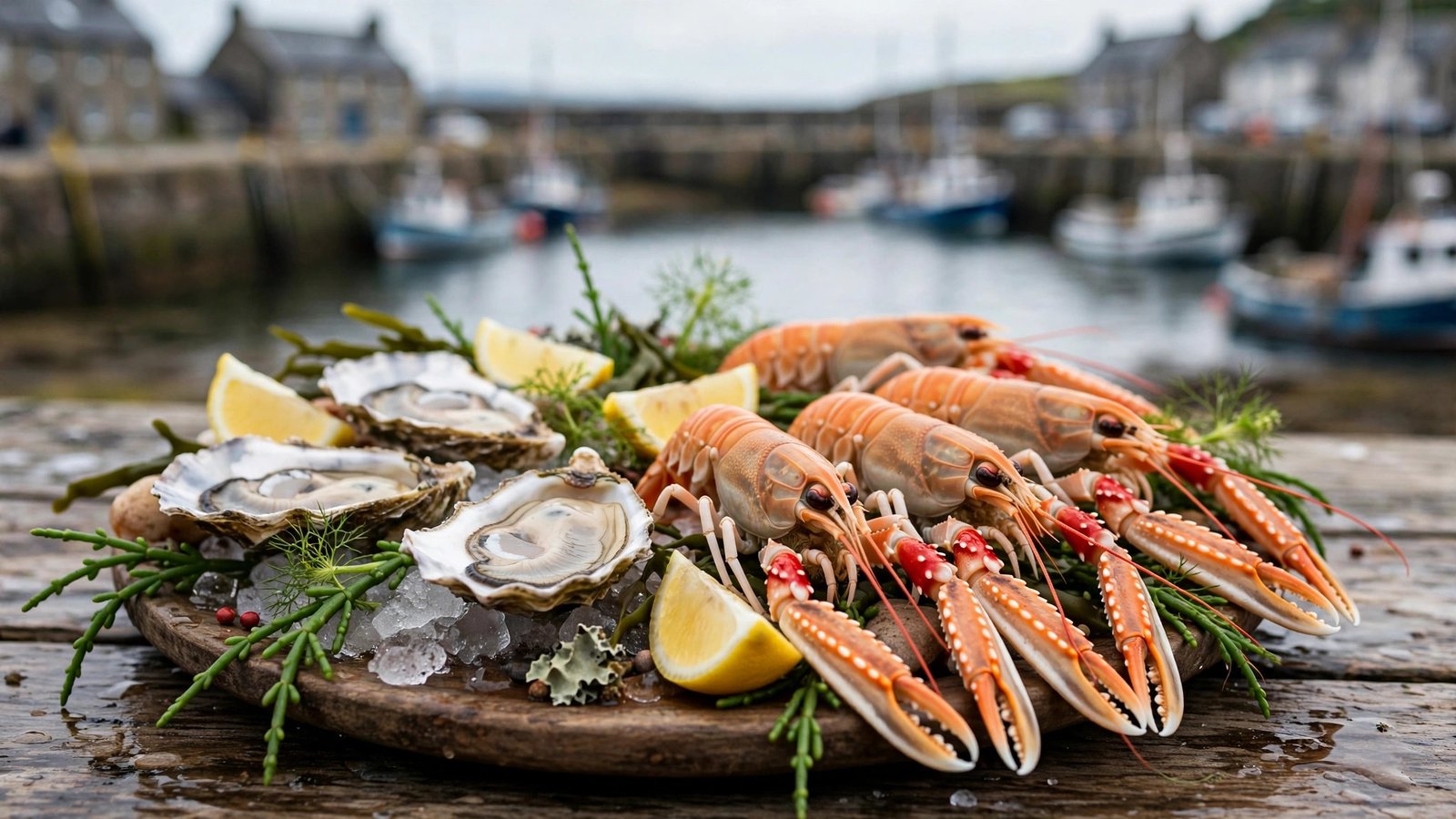
Langoustines are the headline act. These small, sweet shellfish, sometimes called Dublin Bay prawns, are landed at ports around Skye and appear on menus across the island, often simply grilled with garlic butter. Order them wherever you see “Skye langoustines” on a menu, because that usually means they came off a local boat.
Oysters come next. Talisker Bay oysters are farmed in the clean waters near Carbost, and The Oyster Shed there is the place to eat them at the source. You will also find Skye oysters on restaurant menus in Portree and at the island’s higher-end dining rooms.
Mussels, crab and scallops fill out the rest of the seafood picture. Hand-dived Skye scallops are a particular treat and appear on tasting menus at restaurants like Edinbane Lodge, where the kitchen builds dishes around whatever came in that day. Crab sandwiches from harbour-side cafes make a perfect lunch between sightseeing stops. If island seafood is your main interest, our Mull and Iona food trail continues the theme with that island’s own seafood, cheese and crofting stops.
Cheese, Smokeries and Island Farm Produce
Beyond seafood, Skye has a small but proud larder of farm produce. Smoked salmon and smoked trout from island smokeries turn up in farm shops and delis across Skye, and they make excellent edible souvenirs because they travel well. Island cheese, including blue and farmhouse styles made from local milk, is worth seeking out at farm shops and the island’s weekly markets in season.
Farm shops are the trail’s hidden gems. They stock island meat, eggs, baking, preserves and vegetables from crofts you will drive straight past, and they are often the only place to taste produce that never reaches a supermarket. The farm shops around Broadford and the Sleat peninsula are particularly good, and several sell picnic supplies, which is ideal because some of Skye’s most scenic lunch spots have no cafe at all.
Skye’s bakeries and fudge makers fill the sweet gap. Island tablet, a crumbly Scottish fudge, and locally baked oatcakes are easy to find, and they pair naturally with the island’s cheese. For a different region’s take on the same idea, our Somerset food trail follows cider, cheese and farm shops through England’s West Country.
Skye Gin, Beer and Cider: Drinking Beyond Whisky
Whisky dominates the conversation, but Skye’s drinks scene has widened in recent years. The Isle of Skye Brewing Company, based at Uig in the north, brews ales with island names and island character; its beers are stocked in pubs and shops across Skye and make a good alternative to a dram for drivers who want to taste something local without the alcohol strength of whisky.
Island gin has joined the lineup too. Small-batch Skye gins, made with local botanicals, are poured in bars around Portree and sold in island shops. They sit well in the trail as an afternoon tasting stop between the heavier whisky experiences. If you are doing the full drinks arc of the island, the sensible order is brewery or gin in the afternoon, distillery tour earlier in the day when your palate is fresh, and one proper dram with dinner.
A practical note that applies to the whole trail: Skye’s roads are demanding, and drink-driving limits in Scotland are lower than in England and Wales. Plan your tasting days around a designated driver, a taxi, or an overnight stay near the distillery. It is the kind of detail that turns a good food trip into a safe one.
Portree: Where Most Trails Begin
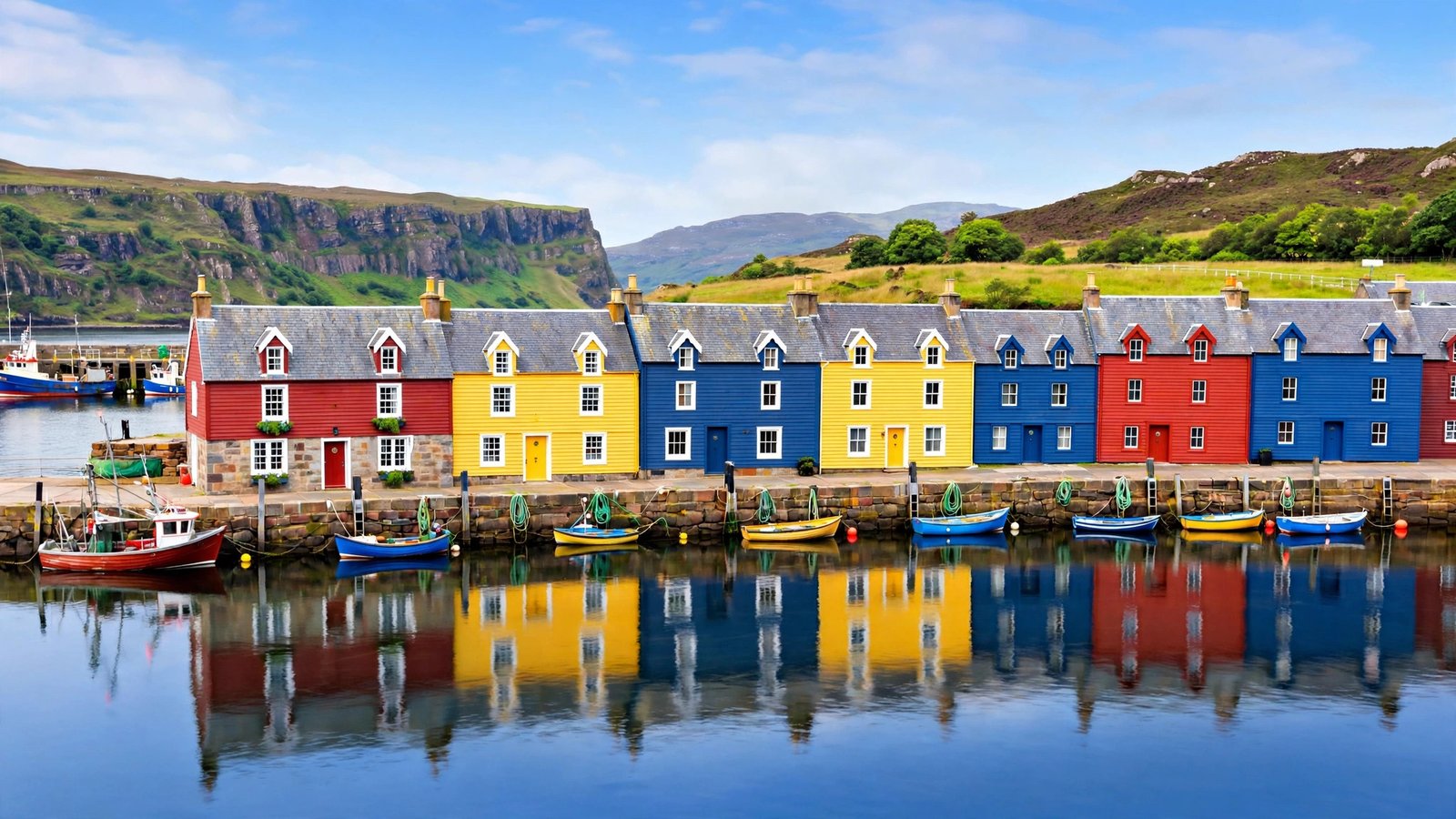
Portree, the island’s largest town, is the natural base and starting point for the food trail. Its harbour, lined with brightly painted cottages, is worth a visit in its own right, and the town holds the island’s best concentration of restaurants, cafes and food shops. This is where you will find the widest choice of Skye seafood on menus, from casual fish and chips to more ambitious kitchens using island produce.
Use Portree for the jobs a trail base needs to do: stock up at the supermarkets and delis, browse the independent food shops for island cheese and smoked fish to take home, and book your dinners early. Restaurant tables in Portree are scarce in July and August, and the best kitchens book out days ahead. A harbour-side walk before or after dinner is the classic end to a trail day here.
Dunvegan, Carbost and the North West Loop
The north west loop is the seafood and whisky heart of the trail. Start at Dunvegan, where the castle and its cafe make a good morning stop, then drive south to Carbost for the main event: a Talisker distillery tour followed by seafood at The Oyster Shed. This pairing, whisky then oysters, is the single most Skye experience on the whole trail, and the two stops are minutes apart.
From Carbost, the loop can continue to Edinbane, where Edinbane Lodge serves a tasting menu built on Skye produce, including the hand-dived scallops the island is known for. This is the splurge dinner of the trail; book well in advance and treat it as the reward for two days of driving. The road back to Portree from Edinbane is short, which makes this loop work as a comfortable day trip from a Portree base.
Broadford, Sleat and the South: Farm Shops and the Second Distillery
The south of Skye has a different rhythm. Broadford is the island’s second town and a useful stop for fuel, supplies and casual meals. The real trail interest lies further south on the Sleat peninsula, sometimes called the garden of Skye, where the landscape softens and the farm shops cluster.
Sleat is where you build the picnic day: farm shops for island cheese, smoked fish, baking and preserves, then a scenic stop to eat it. Armadale, at the peninsula’s southern tip, has the castle, gardens and museum, and its cafe serves locally sourced food in the historic stables building. Torabhaig distillery sits on this peninsula too, so a southern day can combine a morning distillery tour, a farm-shop picnic lunch and an afternoon at Armadale without any rushed driving. For the official island visitor information on Skye’s distilleries and attractions, the Isle of Skye visitor site is a solid starting point.
A Three-Day Skye Food and Drink Trail Itinerary
Here is how the stops above fit together into a workable three-day route. Distances look small on the map; on single-track roads with passing places, allow roughly double the time a navigation app suggests.
Day 1, Portree and the north. Morning in Portree: harbour walk, food shops, stock up on island cheese and smoked fish. Drive north to Uig for the brewery area and the dramatic coastal scenery, with a pub lunch featuring local ale. Return to Portree for dinner; book the restaurant when you book your accommodation.
Day 2, the north west whisky and seafood loop. Drive to Dunvegan for the castle and a cafe lunch. Continue to Carbost for an afternoon Talisker distillery tour, then seafood at The Oyster Shed. If the budget allows, dinner at Edinbane Lodge on the way back toward Portree; otherwise return to Portree for dinner.
Day 3, the south and Sleat. Drive to Broadford, then down the Sleat peninsula: farm shops for a picnic, Torabhaig distillery for the second whisky stop of the trip, and Armadale Castle and gardens in the afternoon. End with an early dinner in the south or drive back to Portree for a final harbour-side meal.
This itinerary deliberately leaves the famous sightseeing stops, the Old Man of Storr, the Quiraing, the Fairy Pools, for the gaps between food stops. On Skye, the scenery is the free side dish that comes with every meal.
When to Visit Skye for the Best Food and Drink
May to September is the main food-trail season. This is when farm shops, cafes, distilleries and restaurants are all open, with the widest choice and longest hours. July and August bring the biggest crowds and the highest prices, plus the island’s famous midges, so late May, June and September are the sweet spot: most places open, fewer queues, and calmer roads.
October to April is quieter and cheaper, but the trail gets patchy. Some restaurants and cafes close for winter, distillery tours may run reduced schedules, and daylight hours shrink. That said, a winter trip can still work if whisky and a few key restaurants are your focus rather than the full trail; just confirm every stop’s opening times directly before you go.
One seasonal tip that applies year-round: Skye’s weather changes fast, and a rainy day is a gift to the food trail. When the hills disappear into cloud, that is the day for the long distillery tour, the farm-shop browse and the unhurried lunch. Plan your flexible indoor food stops for the wet days and keep the scenic drives for the clear ones.
Practical Tips: Driving, Booking Tables and Keeping Costs Down
Driving. Skye’s single-track roads with passing places are the island’s defining driving experience. Drive on the left, pull into passing places to let faster traffic through, and never park in a passing place. If you are not used to them, the first hour feels stressful and then it becomes second nature. Fuel up on the mainland or in Portree and Broadford; rural pumps are sparse and pricey.
Booking. Book distillery tours, the Three Chimneys and Edinbane Lodge as far ahead as you can, especially for summer weekends. Portree restaurants also book out. Farm shops and The Oyster Shed need no booking, which makes them perfect flexible stops.
Costs. Skye is not a cheap destination, but the trail has natural ways to economise. Farm-shop picnics cost a fraction of restaurant lunches and are often more memorable. Lunches out and self-catered or pub dinners keep the daily food bill sensible, saving the splurge for one tasting-menu night. If you are flying to Scotland to start the trip, it is worth knowing what flight delay compensation you are owed under UK rules, since a delayed inbound flight can eat into a short Skye itinerary.
Accessibility. Skye’s terrain and historic buildings mean step-free access varies a lot between stops. Talisker’s visitor centre building is step-free with accessible toilets, though parts of the working distillery involve stairs; check access details with each venue before visiting. For broader planning, our wheelchair accessible holidays UK guide covers the questions worth asking any accommodation or attraction in advance.
Skye Food and Drink Trail: FAQs
How many days do you need for a Skye food and drink trail?
Three days is ideal: one for Portree and the north, one for the Dunvegan and Carbost whisky and seafood loop, and one for the Sleat peninsula and the south. Two focused days can cover the highlights if you skip the far north.
Do you need to book Talisker distillery tours in advance?
Yes, booking ahead is strongly recommended, especially from May to September. Tour groups are small and time slots sell out. Check the distillery’s official site for current times and prices before you travel.
What food is the Isle of Skye known for?
Langoustines and oysters lead the list, followed by hand-dived scallops, mussels and crab. On land, look for island lamb, smoked salmon and trout, farmhouse cheese, tablet and baking from island bakeries. Talisker single malt is the signature drink.
Is Skye expensive for food and drink?
It can be, particularly at the top restaurants and in peak season. Farm-shop picnics, pub lunches and casual seafood takeaways keep costs down, and many of the best food experiences on the island are the cheapest ones.
Can you do the Skye food trail without a car?
It is difficult. Public transport on Skye is limited and will not reach most farm shops and distilleries efficiently. A car, whether your own or hired, is close to essential for the full trail. Organised food tours exist in summer and are the main alternative.
What is the best month to visit Skye for food?
June and September are the best balance: nearly everything is open, the weather is relatively kind, and the summer crowds and peak prices have eased. May is also excellent for longer daylight and quieter roads.
The Isle of Skye rewards travellers who plan around food rather than fitting meals around sightseeing. Build your days around the distillery tours, the seafood shacks and the farm shops, let the island’s scenery fill the gaps, and Skye will give you one of the most satisfying eating trips in the UK. For the next island in the series, our Outer Hebrides food trail continues west with black pudding, island seafood and Hebridean gin.