Quick answer: The best UK destinations for wheelchair users are the places that get five things right at once: step-free transport, genuinely accessible attractions, enough accessible places to stay, usable toilets, and terrain that does not fight you all day. On those measures, Edinburgh, London, York, Brighton, Bournemouth and Portsmouth are the strongest all-round choices, with the Lake District and the Norfolk Broads the best options for a slower countryside break.
What Makes a Destination Genuinely Wheelchair Accessible?
A destination is not accessible because one hotel has a ramp. The word “accessible” only means something when the whole day works: you can arrive without a struggle, move between sights without planning like a military operation, find a toilet you can actually use, and get back to your room tired in a good way, not a defeated one.
Before judging any town or city, check these five things. They are the criteria used for every destination in this guide, and they are the same checks you can reuse for anywhere else you are considering.
- Step-free arrival and transport — an accessible station, low-floor buses or trams, and step-free routes between them.
- Accessible attractions — step-free entry, lifts that fit a powered chair, and free or discounted carer tickets.
- Accessible accommodation stock — not one accessible room in the whole town, but real choice at different budgets.
- Toilets — standard accessible toilets for short stops, and Changing Places toilets (with a hoist and changing bench) for longer days out.
- Terrain — gradients, cobbles, and dropped kerbs matter as much as any individual venue.
If a destination scores well on four of the five, it will usually give you a good holiday. If it only scores on one, expect friction every day.
Edinburgh: The Best Accessible City Break in the UK

Edinburgh regularly comes out at or near the top of UK accessibility rankings, and it earns that place. The tram is fully low-floor with level boarding, buses are low-floor, and the New Town’s wide, grid-pattern streets are far kinder than the Old Town’s closes and wynds. The National Museum of Scotland offers step-free access throughout, wheelchairs to borrow, and free entry, and the Royal Yacht Britannia is one of the best-adapted historic attractions in the country.
Be honest about the trade-offs. The Royal Mile is steep in places, the Old Town has cobbles and narrow pavements, and Edinburgh Castle sits on a rock — the approach is a serious gradient even though much of the castle itself can be visited with planning. Base yourself in the New Town or near a tram stop, plan castle day carefully, and Edinburgh becomes a genuinely rewarding, mostly step-free city break.
Best for
Culture, museums and a first accessible city break, especially if you want everything close together.
London: The Best Choice for Step-Free Attractions
No UK city can match London for the sheer number of world-class attractions that are step-free: the British Museum, Tate Modern, the Natural History Museum and most major theatres and galleries have lifts, accessible toilets and free carer or companion tickets. Every London bus is wheelchair accessible with a ramp and a dedicated space, and accessible black cabs are easy to find.
The weakness is the Tube. Only part of the Underground network is step-free, and it is rarely the part nearest your hotel. Treat the bus network and step-free Tube stations as your real map of London, stay near one of them, and the city opens up. London also has the deepest stock of accessible hotel rooms in the UK, at every price level, which makes it the safest choice if an accessible room is non-negotiable.
Best for
Museums, theatre and big-occasion trips where attraction access matters more than quiet streets.
York: The Flattest Historic City
Most historic cities punish wheelchair users with hills. York is the exception: it is compact, largely flat, and much of the centre is pedestrianised with smooth surfaces. York Minster has step-free access, the National Railway Museum is spacious, level and free, and the city walls — the one famous thing you cannot do in a chair — are easily replaced with a level wander through the Museum Gardens.
Watch for the Shambles, which is narrow, cobbled and crowded, and for older guesthouses in historic buildings where “accessible” can mean a ground-floor room reached over a step. York works best as a gentle, unhurried two or three days rather than a packed sightseeing sprint.
Best for
A relaxed historic break without the hills that rule out Bath or Durham for many chair users.
Brighton and Bournemouth: Accessible Seaside Breaks
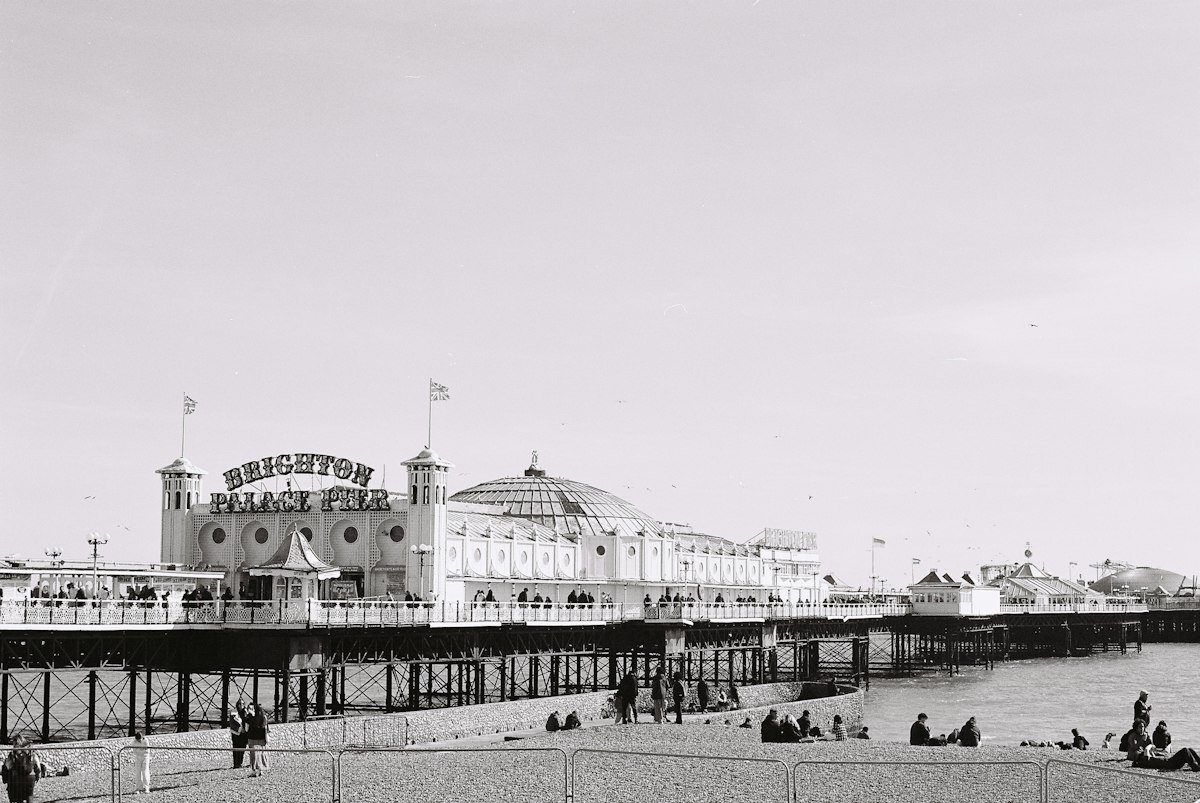
A seaside holiday only works if you can reach the sea. Brighton has a long, level promenade, beach wheelchair hire schemes in season, an accessible pier, and a flat seafront strip of hotels and cafés. Bournemouth offers the same level promenade advantage, gentle chines down to the beach, and a good record for accessible day trips and tours — in one recent UK-wide study of accessible holiday destinations, Bournemouth finished second overall, behind only Portsmouth.
In both towns, book a seafront or near-seafront accessible room so the promenade becomes your main route. The hills are inland; live by the sea on holiday and you will rarely meet them.
Best for
Traditional seaside holidays — promenade walks, fish and chips, and sea air without a daily climb.
Portsmouth: The Underrated Accessible Choice
That same UK-wide study ranked Portsmouth as the most accessible holiday destination in Britain overall, scoring it on accessible hotels, cultural tours and day trips. The Historic Dockyard’s ships involve gangways and decks, so check the current access guide ship by ship, but the flat harbour area, the Spinnaker Tower’s lifts and viewing decks, and a good proportion of wheelchair-accessible tours and day trips make Portsmouth an easier base than its old-naval-town image suggests.
Best for
History lovers who want a coastal base that scores well on organised, bookable accessible experiences.
The Lake District and Norfolk Broads: Accessible Countryside
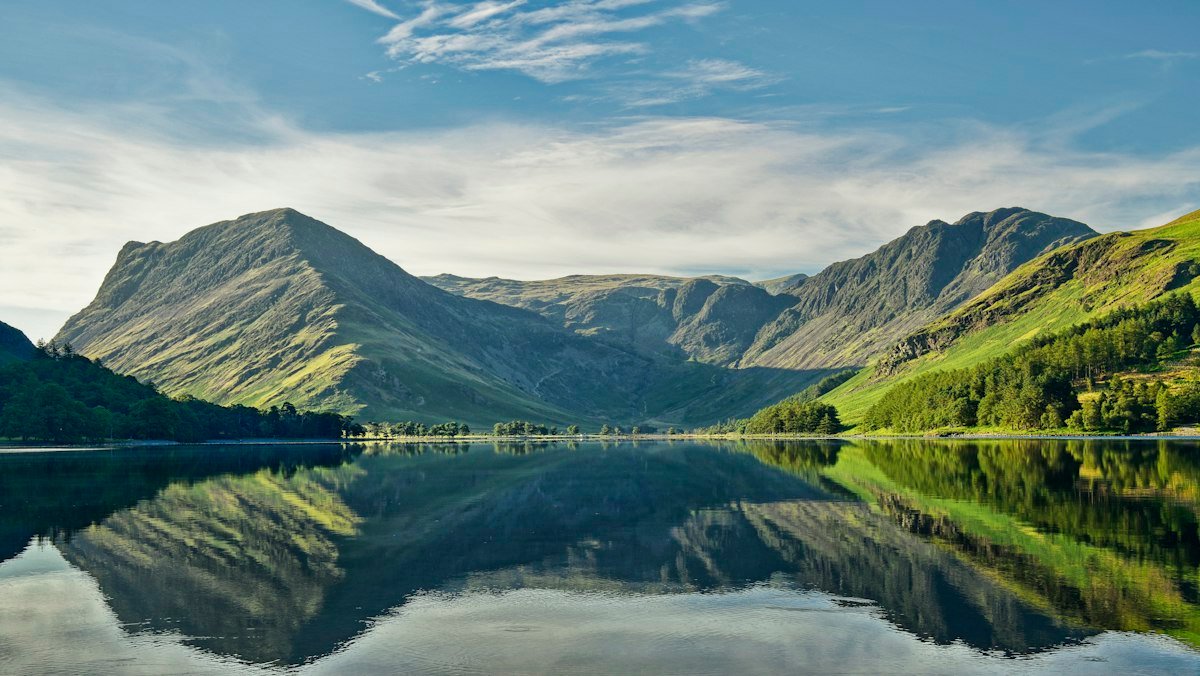
Countryside does not have to mean giving up. The Lake District’s “Miles Without Stiles” routes are graded, surfaced paths designed for wheelchair users and people with limited mobility, including routes around Windermere, and several accessible boat services run on the lakes. The Norfolk Broads are naturally flat, with accessible boat trips, level boardwalks at nature reserves, and holiday parks with adapted lodges and caravans.
What the countryside cannot offer is depth of accessible accommodation — book early, confirm the details directly, and treat “accessible cottage” listings with the same questioning you would use for a hotel room.
Best for
Slow breaks, nature and fresh air, especially with a car and a Blue Badge for flexible parking.
Destinations to Approach With Caution
Honesty helps more than enthusiasm here. Bath is beautiful but built on hills, with cobbled streets and a smaller share of accessible places to stay. Cornwall’s scenery is superb, but steep harbour towns and, in comparative studies, a low proportion of wheelchair-accessible accommodation make it one of the harder regions to get right. Neither is impossible — both simply need more research, the right base town, and realistic daily plans. If it is your first accessible holiday, choose an easier destination first and bank a good experience.
How to Check a Destination Before You Book
Use this sequence for any destination, including ones not in this guide:
- Check the journey first. Confirm step-free access at your arrival station and at the station nearest your hotel — not just one of them.
- Read the attractions’ own access pages. They are more accurate than any round-up, including this one. Look for lift sizes, gradient warnings and carer ticket policies.
- Find the toilets before you need them. Locate Changing Places toilets for long days out, and standard accessible toilets along your planned routes.
- Interrogate the room, not the label. Ask about door widths, roll-in showers, bed height and turning space, and ask for photos of the exact room. Our guide to booking an accessible hotel room walks through the full set of questions.
- Know your rights when something fails. If you are flying or using assisted travel, your rights to free assistance are set out by the UK Civil Aviation Authority — worth reading before you travel, not after something goes wrong.
For the wider planning picture — choosing accommodation, transport within the UK, insurance and a full booking checklist — start with our complete guide to wheelchair accessible holidays in the UK, and if you are travelling with support, our guide to holidays for disabled people and their carers covers the extras that make a trip work for both of you.
Frequently Asked Questions
What is the most accessible city in the UK for wheelchair users?
Edinburgh and London are the safest answers for most people: Edinburgh for its level-boarding tram and compact New Town, London for the depth of its step-free attractions and accessible hotel stock. Recent comparative research has also ranked Portsmouth first overall when tours and day trips are counted.
Are UK beaches accessible for wheelchair users?
Many are, in part. Look for level promenades, accessible toilets on the seafront, and beach wheelchair hire, which resorts such as Brighton offer in season. The beach itself is rarely the problem — the route from your room to the promenade is what decides the day.
How do I know if a hotel room is really accessible?
Never rely on the word “accessible” alone. Ask for the access statement, exact measurements, and photos of the room and bathroom you will actually get, and get the answers confirmed in writing before you pay.
Can I get free assistance at UK stations and airports?
Yes. Assistance at stations and airports is free and is a right, not a favour — book it in advance where you can (airlines ask for at least 48 hours’ notice for special assistance), and keep the booking reference with your travel documents.
The Bottom Line
The best UK destination for a wheelchair user is not the one with the most famous sights — it is the one where the station, the streets, the sights, the toilets and the bedroom all work on the same day. Edinburgh, London, York, Brighton, Bournemouth and Portsmouth pass that test most reliably; the Lake District and the Broads pass it in a quieter, greener way. Pick the destination that fits the holiday you want, run the checks above before you book, and the UK is very much open to you.