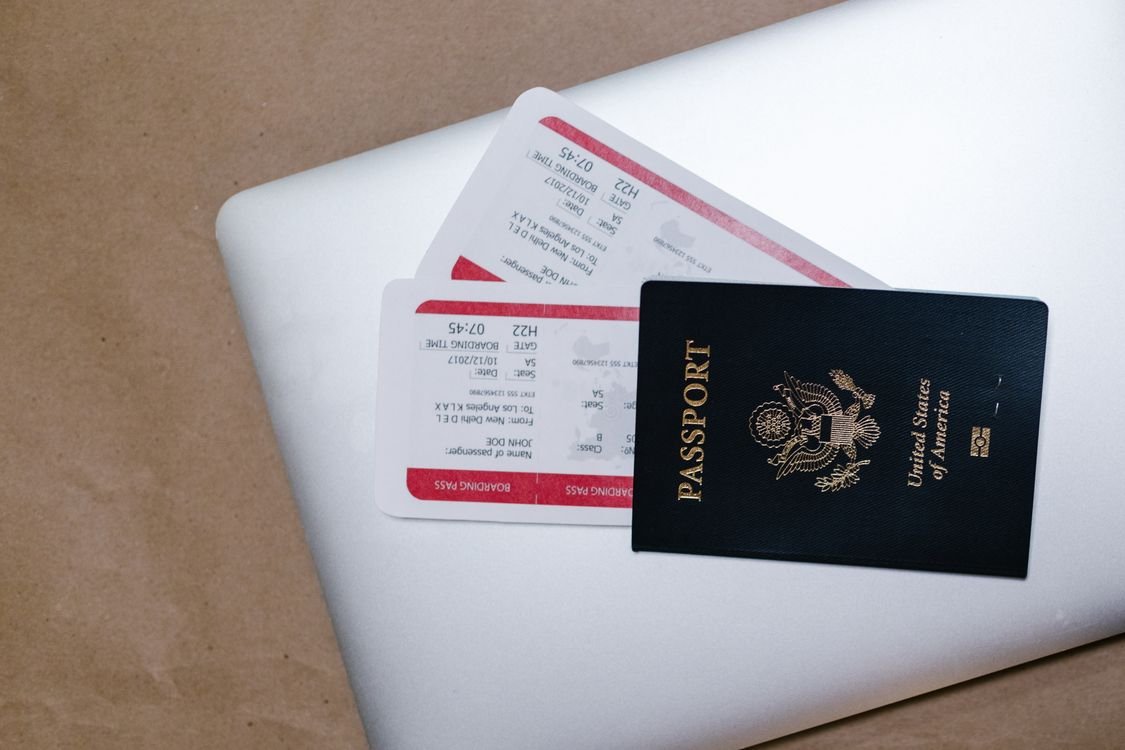
Best Time to Book Flights for the Cheapest Fares
Finding the best time to book flights starts with understanding that flight prices do not follow a fixed schedule. Every seat on every flight is repriced by a revenue management system that reacts to demand, competitor pricing and how quickly seats are selling, sometimes several times a day. Because of that, no single day or date guarantees the lowest fare on every route. What the data does show is a consistent booking window, and a handful of factors that reliably shift fares up or down. This guide covers what the most recent airline pricing data actually says, and how to use it.
How Far in Advance Should You Book?
| Trip type | Recommended booking window | Typical cheapest point |
|---|---|---|
| Domestic / short-haul | 1 to 3 months before departure | Around 30 to 45 days out |
| International / long-haul | 2 to 6 months before departure | Around 50 to 130 days out, longer for Europe |
| Peak season or major holiday | Add 1 to 3 months to the above | Book as soon as dates are confirmed |
These windows are averages across many routes and carriers, not a guarantee for any single flight. Popular routes during school holidays or major events can sell out of cheap fare buckets much earlier than this window suggests, so for high-demand trips it is safer to book toward the earlier end of the range.
Why Booking Too Early or Too Late Both Cost You
Airlines release seats in a series of price tiers, known as fare buckets, and the cheapest bucket sells first. Booking too far in advance, more than six months out on most routes, means fewer bargain fares have been released yet, so you often pay a premium for certainty. Booking too close to departure is generally worse: as the flight fills up, the airline has fewer seats left to sell and raises prices to capture travellers who now have no flexibility. Data from major fare-tracking platforms consistently shows that waiting until the final two to three weeks before departure costs more, on average, than booking within the recommended window, even though genuine last-minute deals do occasionally appear on routes that are not selling well.
Does the Day You Book Actually Matter?
The long-standing advice to book on a Tuesday has not held up under recent analysis. Different studies from major booking platforms have identified different “best” days, including Sunday, Friday and Tuesday, depending on the year, the dataset and the route mix analysed. The more consistent finding across this research is that the difference between the cheapest and most expensive booking day is usually small, often in the range of 5 to 10 percent, and far less significant than choosing the right booking window or travel dates. In practice, this means setting a fare alert and booking when you see a genuinely good price beats trying to time a specific weekday.
The Day You Fly Matters More Than the Day You Book
Where timing has a bigger, more consistent effect is on the departure date itself. Tuesday, Wednesday and Saturday departures are reliably cheaper across most routes, because they see less demand from both business travellers, who cluster around Monday and Friday, and leisure travellers, who cluster around weekends. For international flights, the return date can matter as much as the outbound date. A midweek return, particularly Wednesday or Thursday, is often noticeably cheaper than flying back on a Friday or Sunday.
Cheapest and Most Expensive Months to Fly
- Cheapest: January and February are consistently the lowest-fare months, with September and October as strong runners-up outside of peak school holiday periods.
- Most expensive: July and December, driven by school summer holidays and Christmas travel, typically carry the highest average fares of the year.
- Shoulder season: For Europe specifically, April to May and September to October combine good weather with thinner crowds, and fares in this window can run 20 to 40 percent below peak summer pricing.
Booking Around Major Holidays
Holiday travel follows its own rules, since demand is inflexible and airlines know it. For Christmas travel, fare tracking data consistently shows that booking by the end of October secures meaningfully lower prices than waiting until November or December, when the same routes can cost hundreds of pounds more per ticket. The same principle applies to any fixed-date holiday travel: the earlier side of the recommended booking window matters far more than usual, because there is little room to shift dates if prices climb.
Practical Ways to Track and Catch a Good Fare
- Set fare alerts on a flight comparison tool rather than manually checking prices, since fares can change multiple times in a single day.
- Use a flexible date search to compare an entire month at once rather than fixing on a single departure date.
- Check nearby airports, since a short additional journey to a secondary airport can sometimes offset a significantly higher fare.
- Book directly with the airline where the price is comparable, since this usually simplifies changes, refunds and any issues with hand luggage allowances at the gate.
- Compare the full cost, not just the base fare, particularly on low-cost carriers where seat selection, cabin bags and priority boarding can add significantly to the ticket price. See our guide on hand luggage size rules across UK airlines to check what is actually included before you compare prices.
Frequently Asked Questions
Is it true that flight prices rise if you search the same route repeatedly?
There is no confirmed evidence that repeated searches on their own cause prices to rise. Price changes are driven by real-time demand and seat availability across all travellers searching and booking that route, not by tracking any individual browser or device.
Should I wait for a last-minute deal instead of booking early?
Generally no. While occasional last-minute discounts appear on underperforming routes, the data consistently shows that fares are more likely to rise than fall in the final three weeks before departure, particularly on popular routes.
Is Tuesday still the best day to book flights?
Not reliably. Recent data from major booking platforms has found different “best” days in different years, and the gap between the cheapest and most expensive booking day is typically small, so chasing a specific weekday matters far less than booking within the right overall window.
Are budget airlines always cheaper than full-service carriers?
Not once you add optional extras. Once seat selection, cabin baggage and priority boarding are included, a budget airline fare can end up close to, or even above, a full-service carrier’s all-inclusive economy fare on the same route.
Related Reading
- Hand Luggage Size Rules: UK Airlines Compared
- What Does Travel Insurance Actually Cover?
- Air Canada Business Class Review
About the author: The Stony Port editorial team researches airline policy, travel insurance and destination guides to help UK travellers plan with confidence.