How to Fly With a Baby: A Complete Guide for Nervous Parents
Flying with a baby for the first time is nerve-wracking for most parents, but with the right preparation it is far more manageable than it feels beforehand. This guide covers airline rules, documents, security, packing and in-flight settling, so you can focus on your baby rather than logistics on the day.
When Is It Safe to Fly With a Baby?
Most airlines allow babies to fly from around two days old, though several ask for a doctor’s letter confirming fitness to travel if the baby is under seven days. In practice, most parents wait longer than the airline minimum. NCT guidance suggests healthy newborns can typically travel after two weeks, but waiting until two to three months gives a baby’s immune system more time to develop before exposure to an airport environment. If you had a caesarean birth, check with your own medical team before flying, since recovery time is usually factored into fitness-to-fly advice.
Documents Your Baby Needs
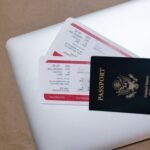
A baby needs their own passport to travel internationally, even as a newborn, and this application can take several weeks, so it is worth starting the process as soon as possible if a trip abroad is planned. A baby also needs their own ticket for the flight, even if they will sit on your lap for the whole journey with no separate seat.
Lap Infant or Your Own Seat: Choosing How Your Baby Travels
Under UK and most international airline rules, a baby under two can travel on a parent’s lap, usually for a reduced fare, roughly ten percent of the adult fare on many carriers, or in their own seat secured in an approved car seat, which is charged as a full or child fare. A lap infant is unrestrained during turbulence beyond a loop-style infant seatbelt, so some parents prefer to book a separate seat and bring an approved car seat for extra security, particularly on longer flights.
Hand Luggage Size Rules: UK Airlines Baby Policies Compared
| Airline | Infant fee | Bassinet available | Notes |
|---|---|---|---|
| Jet2 | Free | No (short-haul only) | Only major UK airline offering free infant travel |
| British Airways | ~10% of adult fare | Yes, long-haul only, limited numbers | Babies from 48 hours, medical clearance suggested under 7 days |
| Virgin Atlantic | ~10% of adult fare | Yes, long-haul only | Points can be used to reduce infant fare cost |
| Wizz Air | Fee applies | No | Only rear-facing car seats permitted |
| Aer Lingus | Fee applies | Yes, long-haul only | Car seats are not permitted on board at all |
Airline policies change without notice, so always confirm current rules directly with your airline before booking. For more on what fits in the cabin as standard hand luggage, see our guide to hand luggage size rules across UK airlines.
Getting Through Airport Security With a Baby
Breast milk, formula and baby food are exempt from the standard 100ml liquid limit at UK airport security, and you can carry as much as you reasonably need for the journey, though it may be screened separately and you may be asked to taste or open it. Nappy bags are usually allowed as an additional item beyond your normal hand luggage allowance, but this varies by airline, so check in advance.
What to Pack in Your Baby Flight Bag
- Enough nappies for the journey plus a buffer for delays, packed in the bag most accessible to you rather than checked luggage
- Pre-measured formula or ready-to-feed cartons, which are more reliable in-flight than mixing powder from scratch
- A change of clothes for both baby and yourself, since spills and blowouts happen more often mid-flight than anywhere else
- A dummy or bottle for takeoff and landing, since sucking and swallowing help equalise ear pressure for babies too young to chew gum
- A lightweight, foldable stroller, which most airlines will let you take to the gate and check there for free
Helping Your Baby Settle During the Flight
Feeding during takeoff and landing helps manage ear pressure discomfort, and a consistent, calm routine, similar to what your baby is used to at home, does more to settle them than any single gadget. Babies pick up on parental stress, so staying as relaxed as possible, even when things do not go to plan, tends to help more than it might seem in the moment.
Frequently Asked Questions
Does my baby need a passport to fly?
Yes, every baby needs their own passport for international travel, regardless of age, and applications should be started as early as possible since processing can take several weeks.
Can I bring baby milk and food through airport security?
Yes, breast milk, formula and baby food are exempt from the usual 100ml liquid limit at UK airports, though you should be prepared for it to be screened separately at the security point.
Which UK airline is cheapest for flying with a baby?
Jet2 is currently the only major UK airline offering free infant travel, while most others charge roughly ten percent of the adult fare for a lap infant.
Do I need to book a separate seat for my baby?
No, a lap infant under two can travel on a parent’s lap for a reduced fare, though booking a separate seat with an approved car seat offers more security, particularly on longer flights.
Related Reading
- Hand Luggage Size Rules: UK Airlines Compared
- How the Celebrities Fly with Children
- Long-Haul Flight Essentials: What to Pack in Your Carry-On
About the author: The Stony Port editorial team researches airline policy and family travel to help UK travellers plan with confidence. This article is general information and not medical advice; always confirm current policies with your airline and consult your GP or midwife about fitness to fly.