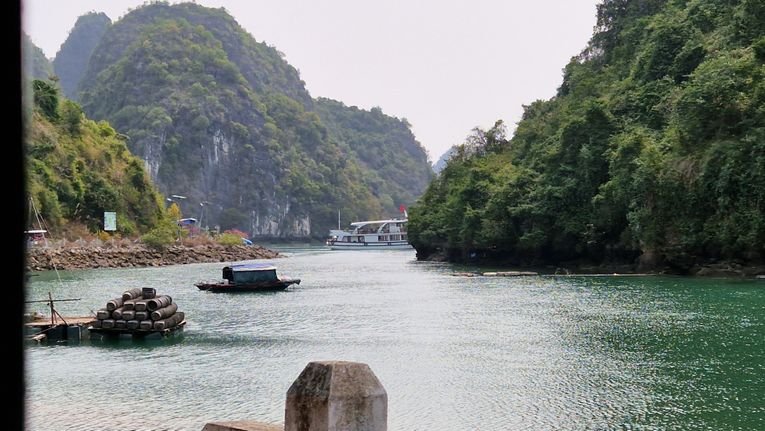
Vietnam Travel Itinerary: 2 Weeks From North to South
A two-week Vietnam travel itinerary is enough time to cover the country’s essential highlights without feeling rushed. This route runs north to south, from the misty limestone karsts of Ha Long Bay to the buzzing streets of Ho Chi Minh City, covering roughly 1,650 kilometres, the equivalent of London to Rome. Below is a day-by-day plan, along with practical notes on transport, cost and timing.
Vietnam 2-Week Itinerary at a Glance
| Days | Destination | Highlights |
|---|---|---|
| 1-3 | Hanoi | Old Quarter, Ho Chi Minh Mausoleum, Temple of Literature |
| 4-5 | Ha Long Bay | Overnight cruise among limestone karsts |
| 6-7 | Ninh Binh | Trang An boat ride, Mua Cave viewpoint |
| 8-9 | Hue | Imperial Citadel, Perfume River, royal tombs |
| 10-11 | Hoi An | Lantern-lit Old Town, tailor shops, An Bang Beach |
| 12-14 | Ho Chi Minh City | War Remnants Museum, Mekong Delta day trip, Ben Thanh Market |
Days 1 to 3: Hanoi
Most international flights from the UK land in Hanoi, so this itinerary begins in Vietnam’s capital. Spend your first day exploring the Old Quarter, where narrow streets, street food stalls and colonial architecture set the tone for the rest of the trip. Visit the Ho Chi Minh Mausoleum early, since queues build quickly later in the day, followed by the Temple of Literature, Vietnam’s first university. In the evening, head to Bia Hoi Corner in the Old Quarter for cheap local beer and street food alongside locals and travellers alike.
Days 4 to 5: Ha Long Bay
An overnight cruise through Ha Long Bay is the centrepiece of most Vietnam itineraries, and for good reason. This UNESCO World Heritage site is scattered with thousands of limestone islands rising from emerald water. Most cruises include kayaking, swimming and a seafood dinner on board, and an overnight stay gives you time to watch sunrise over the bay before returning to shore.
Days 6 to 7: Ninh Binh
Often described as “Ha Long Bay on land,” Ninh Binh offers karst scenery without the crowds of the coast. The Trang An boat ride winds through limestone caves and rice paddies, while Mua Cave rewards a steep climb with panoramic countryside views. This is a good stop for travellers who want a quieter, more rural contrast to Vietnam’s busier cities.
Days 8 to 9: Hue
Vietnam’s former imperial capital is reached by a short flight or an overnight train, and its Imperial Citadel, modelled partly on Beijing’s Forbidden City, is worth a full day to explore properly. On your second day, visit the royal tombs scattered in the surrounding countryside, particularly Minh Mang, Tu Duc and Khai Dinh, either by taxi or by dragon boat along the Perfume River.
Days 10 to 11: Hoi An
Hoi An’s lantern-lit Old Town is one of Vietnam’s most photographed destinations, and its tailor shops let you order custom-made clothing, often ready within 24 hours. Beyond the Old Town, An Bang Beach offers a relaxed stretch of sand a short bike ride away. Getting here from Hue typically involves a scenic drive over the Hai Van Pass, one of the most spectacular coastal roads in the country.
Days 12 to 14: Ho Chi Minh City
The final leg covers Ho Chi Minh City, formerly Saigon, reached by a roughly one-hour domestic flight from Hoi An or Da Nang. Spend your first day at the War Remnants Museum and Ben Thanh Market, and take a half-day trip to the Cu Chi Tunnels, used by Vietnamese soldiers during the war. A Mekong Delta day trip, visiting the villages of My Tho and Ben Tre by boat, makes a good final full day before flying home.
Getting Around Vietnam
Domestic flights are the fastest way to cover long distances between regions and are often available from around £50 to £70 per person if booked in advance. For shorter hops or scenic routes, particularly Hoi An to Hue over the Hai Van Pass, buses and trains offer a slower but more memorable alternative. Within cities, ride-hailing apps such as Grab are cheap, reliable and considerably less stressful than negotiating with street taxis.
Budgeting for Two Weeks in Vietnam
Travelling independently with public transport and budget or mid-range hotels, a two-week trip typically costs around £600 to £650 per person, excluding international flights. Backpackers using hostels and local buses can spend considerably less, while private transfers and higher-end hotels can push the total closer to £2,400.
Frequently Asked Questions
Is two weeks enough time for a Vietnam itinerary?
Yes, two weeks is generally considered the ideal length for a first Vietnam trip, allowing time to see the major highlights from north to south without feeling rushed, provided you fly rather than take overland transport for the longest legs.
Should I start my Vietnam itinerary in Hanoi or Ho Chi Minh City?
It depends mainly on your international flight route, since most itineraries work equally well in either direction. Travellers arriving from Europe typically land in Hanoi, while those from Australia often land in Ho Chi Minh City.
What is the best time of year to visit Vietnam?
Vietnam has three distinct climate zones, so timing depends on your route. Central Vietnam, including Hoi An and Da Nang, sees its wettest season from late September through January, so spring and early summer generally offer the most reliable weather for a north-to-south trip.
Related Reading
- Best Time to Book Flights for the Cheapest Fares
- Long-Haul Flight Essentials: What to Pack in Your Carry-On
About the author: The Stony Port editorial team researches destination guides and itineraries to help UK travellers plan with confidence.